
THE SLAM EDITORIAL
The Filmmaker Is Becoming the Platform
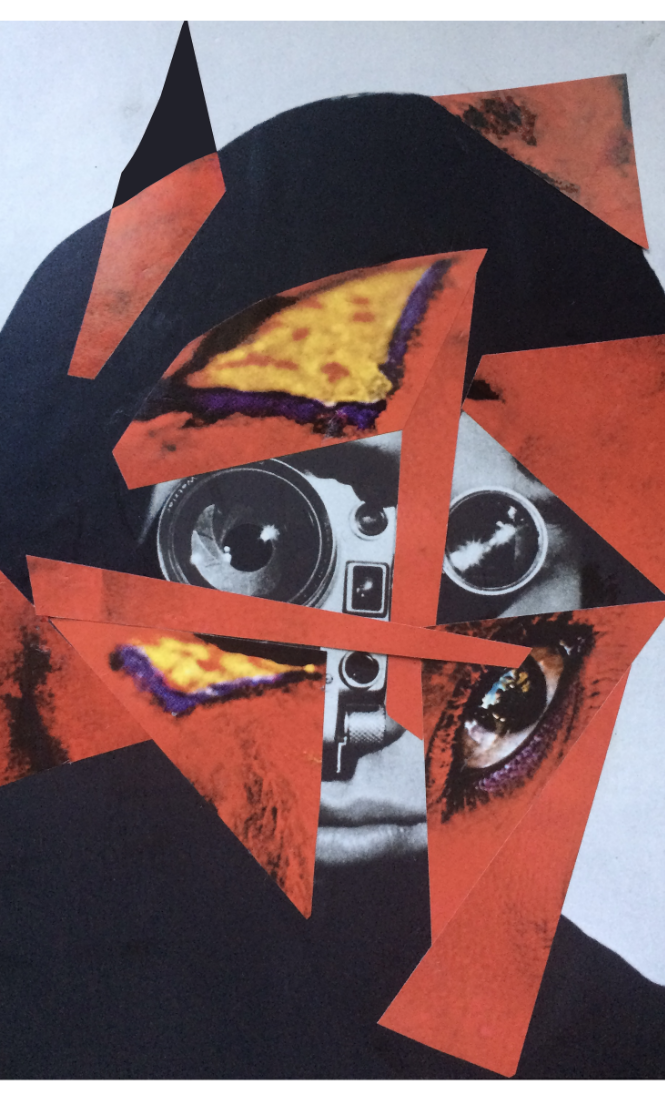
BY PETER BAXTER, ARTWORK BY TARA TAVI
Buckminster Fuller had a useful rule for changing the world: “You never change things by fighting the existing reality. To change something, build a new model that makes the existing model obsolete.”
Slamdance has tried to operate on that principle. Rather than spending its energy arguing with the established film industry about how independent cinema should work, it has repeatedly experimented with how it could work.
That instinct led Slamdance into the digital world unusually early. We were the first film festival to put short films online. It did not work particularly well. The technology, bandwidth and audience habits simply weren’t ready. But in our naivety we learned something important: the future often arrives before the infrastructure needed to support it.
We tried again a few years later with feature films. Slamdance became the first festival to put its features online. This time the experiment worked really well on Xbox, where audiences could watch independent films on their televisions rather than their computers. What seemed experimental at the time now looks like an early version of the streaming revolution.
That history matters because the creator economy is often described as a technological phenomenon. I think it is better understood as an economic one.
For filmmakers, the old bargain was brutally simple: make a good film, get it into festivals, find a distributor and hope somebody in Hollywood notices. The system was inefficient, opaque and often financially unrewarding. The creator economy offers another path. A filmmaker can build an audience directly, control more of the distribution and turn attention into income without first asking a studio for permission.
The promise is real, but it doesn’t yet make the existing model obsolete.
The bigger issue is the difference between access to an audience and ownership of an audience. YouTube, TikTok and Instagram have made it much easier to reach viewers. But the platforms still control discovery, algorithms, advertising and much of the relationship between creator and consumer. A filmmaker can have millions of followers and still have very little economic security.
The numbers are revealing. CreatorDB’s June 2026 study covers 2.15 million tracked YouTube channels and reports 76,736 channels that have crossed one million subscribers and 17 that have crossed 100 million. It also reports that about 63% were flat or shrinking over its 30-day measurement period. The creator economy has made it easier than ever to reach an audience, but that doesn’t mean the money is spread evenly. Like many digital markets, many struggle to turn an audience into a living while a small number of creators capture a very large share of the attention and revenue.
Hollywood is beginning to see that a creator isn’t just a marketing channel. The creator can be a studio.
The recent success of creator-made films such as Backrooms and Obsession demonstrates the value of something traditional Hollywood has always wanted: an audience that exists before the movie does. That changes the equation. A filmmaker who arrives with a community, a distinctive voice and some evidence that people will actually watch has already answered an important question: is there an audience for this? The creator economy may not replace Hollywood. But it is already removing some of the steps between the filmmaker and the audience.
The next generation of filmmakers may operate less like traditional directors and more like small media companies. They can develop intellectual property, build audiences, make short-form work, produce features, attract brands and license their ideas to larger companies. The film becomes one part of a larger creative business built around the filmmaker, their ideas and their audience.
This doesn’t mean every filmmaker needs to become an influencer. But it does mean that building an audience is becoming as important as making the film.
There is also a risk here. Hollywood could simply bring these creators into the existing system without changing much else. The creator brings the audience, the studio brings the money, and the partnership looks like a success. But if the creator eventually gives up the audience, the data and the intellectual property, we haven’t really built a new system. We’ve just found a dodgy new way into the old one.
The next step could be different. Filmmakers can hold onto ownership longer, finance projects in smaller increments, test ideas with audiences and use those audiences to help finance and distribute the work. Technology, including AI, will continue to lower the cost of making things. That means the scarce resource may no longer be filmmaking capacity. It may be attention.
Making a film is becoming easier. Getting people to care about it is becoming harder.
For filmmakers, that distinction matters. Making a great movie is still the main point. But increasingly, so is building a lasting relationship between the filmmaker, the work and the audience.
Hollywood used to control the pipeline.
Now, the filmmaker is becoming the pipeline.